GSA experts regularly produce studies, analyses, and briefings for decision-makers and observers in the economic and financial world. Explore them here.
To access all of our studies, please fill out the form at the bottom of the page.

GSA experts regularly produce studies, analyses, and briefings for decision-makers and observers in the economic and financial world. Explore them here.
To access all of our studies, please fill out the form at the bottom of the page.
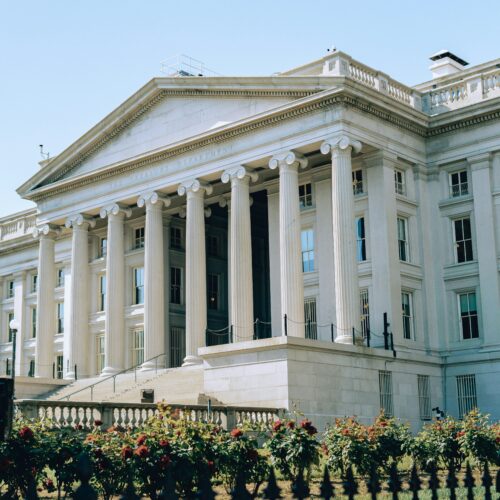
Long-term US Treasury yields have reached their highest level in two decades, prompting the Treasury to take action – doubling bond buybacks and possibly drawing on the Treasury General Account – without managing to stem this rise, as the causes are structural: widening deficits and debt, risks to inflation and the Fed’s independence, increased competition in the bond market, and changes in investor behaviour.
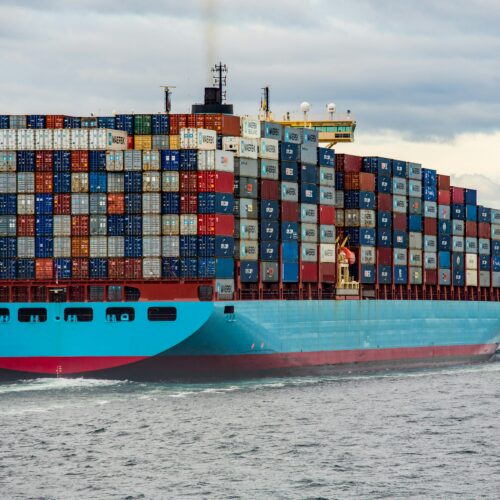
The Strait of Hormuz crisis is reverberating as far as the Panama Canal and the Cape of Good Hope, while new transshipment hubs are emerging in the Indian Ocean and the Mediterranean. This shift from a logic of efficiency to resilience at any cost could endure. It is also prompting Gulf countries to build infrastructure bypassing the strait.
Regardless of the scale of the energy shock caused by tensions in the Middle East, US productivity appears to be less affected than that of European companies. However, even in the event of a prolonged conflict, energy expenditure as a percentage of turnover in the EU would remain well below 2022 levels, unlike in the United States.
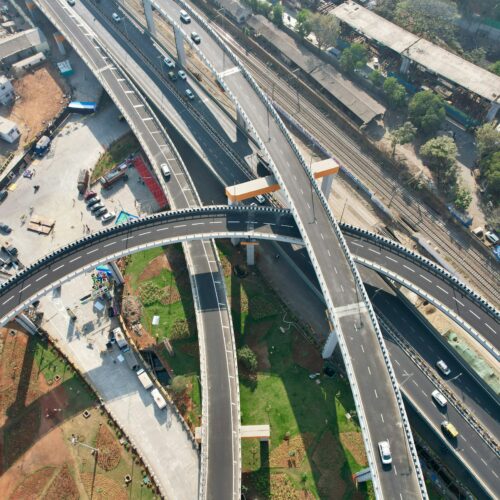
India’s continued push toward infrastructure-led growth is expected to support long-term output, with public investment reaching historically high levels. However, its impact remains limited, with only modest gains in potential growth and insufficient effects to achieve high-income status without stronger productivity improvements.
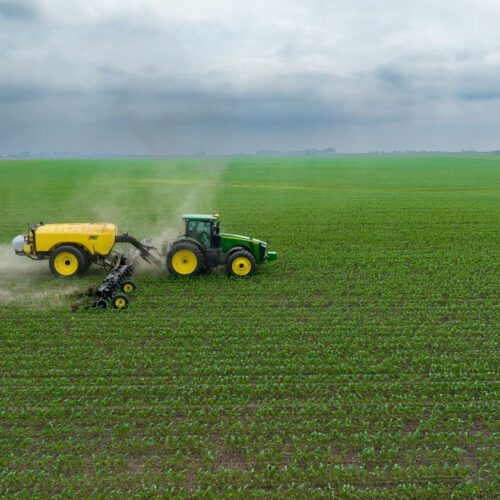
The de facto closure of the Strait of Hormuz following the Israeli-American attack on Iran on 27 February will have direct repercussions for Africa’s agricultural and food markets. The Gulf states are major suppliers of fertiliser to the continent, accounting for 16.7% of its imports in 2024, and as much as 25% for nitrogen fertilisers. The impact is mainly concentrated in East and Southern Africa.